
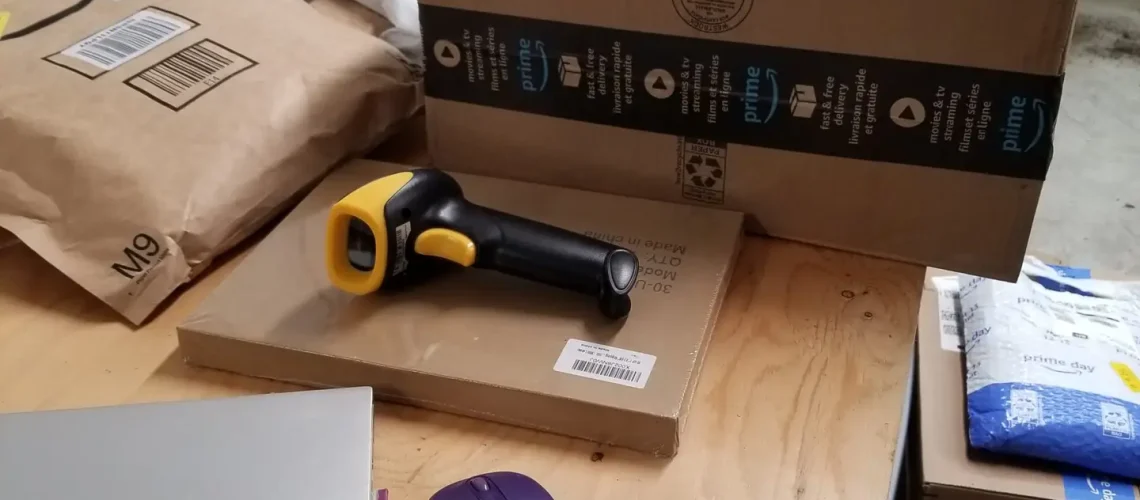
In Amazon Canada e-commerce, the difference between a platform and a true operations partner is not found in pricing sheets or marketing claims—it is measured by what actually happens on the warehouse floor.
At MoRo Prep, we have seen a clear surge in removal order requests from YYZ1, YYZ4, and YYC4 over the past weeks. As Amazon policies tighten in 2026, sellers are no longer looking for intermediaries. They are looking for ground-level execution they can trust.
Our recent increase in search visibility reflects this shift. Sellers are actively seeking transparency, accountability, and physical presence—not another virtual warehouse listing.
The Truth About “Virtual” Warehouses
Many service providers operating in the Canadian FBA ecosystem function as virtual warehouses. They broker capacity, forward instructions, and rarely see your inventory in person.
MoRo Prep operates differently.
- Physically Registered in Canada
We are a legally registered Canadian corporation with a fixed, operational warehouse in St. Thomas, Ontario. - On-the-Ground Execution
Inventory is handled directly by our local team—not subcontracted, not forwarded, and not abstracted through third parties. - Operational Neutrality
We do not sell products, resell inventory, or make commercial decisions on behalf of sellers. Our role is execution—accurate, documented, and traceable.
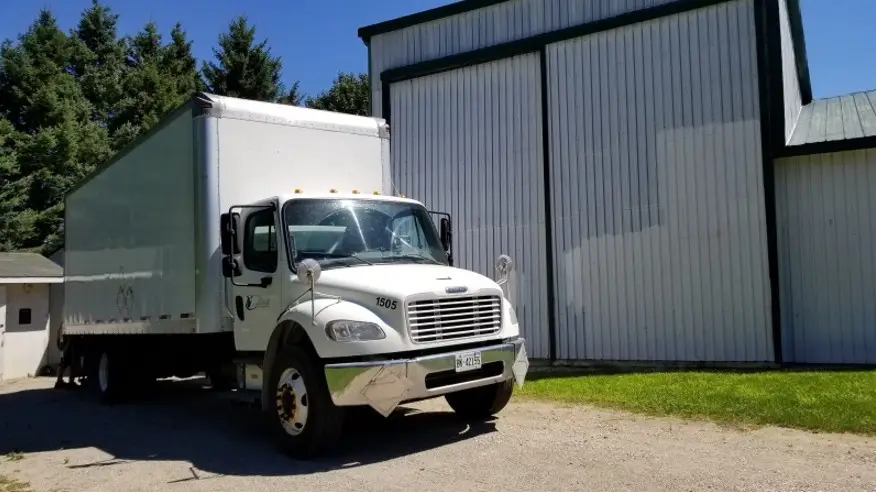
This distinction matters most when inventory leaves Amazon custody and enters the removal and recovery stage.
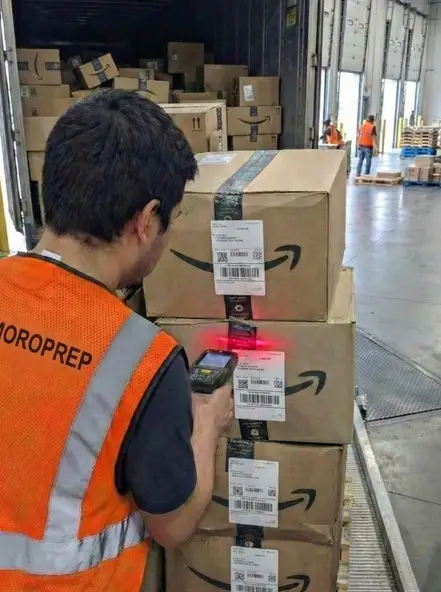
Precision in Every Scan
Efficient FNSKU relabeling and removal handling is not just about speed. It is about systems, verification, and control.
At MoRo Prep:
- End-to-End Traceability
Every inbound removal shipment is scanned using handheld terminals upon arrival. Each unit is logged, inspected, and tracked through defined operational checkpoints. - Documented Handling
From receiving and inspection to relabeling and repackaging, every step is recorded within our warehouse management process. - 24–48 Hour Turnaround
Our proximity to the YYZ warehouse cluster allows us to receive, process, and prepare inventory for reshipment within 24–48 hours—significantly faster than out-of-province solutions.
Execution quality is not an abstract promise. It is the result of repeatable processes applied consistently on the ground.
Serving the YYZ and YYC Warehouse Clusters
Whether you are managing removal orders from YYZ1 / YYZ4 or consolidating shipments bound for YYC4 (Calgary), location matters.
Operating from Ontario allows us to:
- Reduce transit time from Amazon facilities
- Minimize handling handoffs
- Maintain tighter control over inventory condition and labeling accuracy
Our role is to absorb operational complexity so sellers can focus on product strategy, pricing, and brand growth—without reacting to preventable logistics issues.
For sellers who want a complete picture of the returns and relabeling recovery process — from receiving through grading and FBA re-entry — see FBA Returns Relabeling & Value Recovery Canada. For sellers handling removal orders where the quantity received doesn’t match what Amazon’s system shows, see Why Amazon FBA Removal Order Quantities Don’t Always Match.
Why Physical Operations Still Matter in 2026
Amazon’s ecosystem is increasingly automated, but removals, returns, and recovery remain physical processes.
When something goes wrong, sellers need answers rooted in reality:
- Where is the inventory now?
- What condition is it in?
- What was done, by whom, and when?
A physical, registered operations partner provides accountability where virtual models cannot.
Our commitment is simple:
to remain a reliable, transparent operations partner for international sellers navigating Amazon Canada in 2026 and beyond.
Need Support With Your Next Removal Shipment?
If you are planning upcoming FBA removals or relabeling work in Canada, our team can provide clear execution timelines and documented handling.
Contact us:
👉 https://moroprep.ca/contact/
Bilingual support available
WeChat ID: moroyal
MoRo Prep operates from a physical warehouse in St. Thomas, Ontario, specializing in Amazon FBA removals, relabeling, and inventory recovery for YYZ and YYC warehouse clusters.
Ontario’s Geographic Edge: Why St. Thomas Outperforms US-Based Prep Centers for YYZ Removals
When a removal order ships out of YYZ1 (Brampton) or YYZ4 (Mississauga), it enters the Canadian domestic carrier network — not a cross-border one. That single fact changes the economics entirely. Inventory destined for a US-based prep center must clear Canadian export documentation, cross the border, and clear US customs before a single label gets replaced. The round-trip adds two to five business days of transit and, depending on product category, can trigger re-importation paperwork when the relabeled goods re-enter Canada for reshipment to Amazon.
MoRo Prep’s warehouse in St. Thomas, Ontario sits approximately 185 km southwest of the YYZ1 and YYZ4 fulfillment centers, squarely within the same provincial carrier zone. Under Purolator and FedEx Ground regional pricing, that translates to next-business-day ground delivery with no customs touchpoint. Compare that to routing the same pallet through a Buffalo or Detroit prep facility: border dwell time alone averages four to eight hours under normal volume, and fuel surcharges for cross-border lanes typically run 12–18% higher than domestic Ontario rates.
The practical cost difference for a typical 50-unit removal shipment looks like this:
- Ontario-to-Ontario (St. Thomas): domestic ground rate, same-zone pricing, no customs brokerage fee, no re-importation duty exposure
- Ontario-to-US prep center: cross-border freight surcharge, customs broker fee ($75–$150 per shipment), potential duty assessment on non-originating goods, plus return cross-border leg before Amazon reshipment
- Ontario-to-Quebec or western Canada prep: inter-provincial transit of three to five business days, higher weight-break pricing on longer lanes
For sellers running monthly removal cycles on active SKUs, keeping the entire workflow within Ontario is not a convenience — it is a measurable cost control decision.
How to Initiate a Removal Order and Route It to an Ontario Prep Center
Setting up a removal order correctly from the start prevents the most common source of delay: Amazon shipping to the wrong address because the destination was not confirmed before the order was placed. Follow these steps in sequence:
- Confirm your prep center’s receiving address in writing. Before opening Seller Central, contact MoRo Prep (or your chosen Ontario facility) and obtain the exact street address, any required reference codes, and the receiving hours. Some warehouses require a Purchase Order number on the shipment label — confirm this upfront.
- Log in to Seller Central and navigate to Manage Inventory → Actions → Create Removal Order. Select the ASINs and quantities you want removed. For large SKU counts, use the bulk upload template under Inventory → Removal Orders → Create Removal Order → Upload File.
- Select “Ship to Address” as the removal method and enter your prep center’s confirmed address. Double-check postal code and suite/unit number — Amazon’s carrier label is generated from exactly what you enter here.
- Review the estimated removal fee shown in Seller Central before confirming. Amazon charges per unit based on size tier; these fees are separate from any prep or relabeling fees your 3PL will invoice.
- Submit the order and record the Removal Order ID. Share this ID with your prep center immediately. MoRo Prep uses the Removal Order ID to pre-create an inbound record so your shipment is expected and logged on arrival — not held at receiving while staff try to identify the sender.
- Monitor the order status in Seller Central under Reports → Fulfillment → Removal Order Detail. Status moves from Pending → In Progress → Completed as Amazon picks and ships. You will see individual tracking numbers assigned once the units leave the fulfillment center.
One common mistake: sellers initiate the removal before notifying their prep center, then the shipment arrives unannounced. A quick email or WeChat message to MoRo Prep with the Removal Order ID before you submit eliminates receiving delays.
What Sellers Can Expect During the Removal Processing Window
Once a removal order is submitted, the timeline moves through two distinct phases — Amazon’s internal processing and your prep center’s handling window — and understanding both prevents unnecessary follow-up messages and miscalculated restock timelines.
Phase 1 — Amazon internal processing (typically 7–21 business days). Amazon’s published SLA for removal orders is up to 30 days, but in practice most YYZ1 and YYZ4 orders ship out within 7–14 business days under normal volume. During peak periods (Q4, post-Prime Day), processing can stretch to 21 days. You will receive tracking information from Amazon’s contracted carrier — typically Purolator, UPS, or Canpar — once the units physically leave the fulfillment center.
Phase 2 — Prep center receiving and handling (24–48 hours at MoRo Prep). Once the removal shipment arrives in St. Thomas, MoRo Prep scans every unit against the Removal Order ID on arrival. You will receive a receiving confirmation that includes unit count and any condition notes. This receiving report is your documentation baseline — keep it for any Amazon reimbursement claims on units that arrived from the fulfillment center already damaged.
During the relabeling or repackaging window, expect the following touchpoints:
- Receiving confirmation: within one business day of physical arrival
- Inspection and condition report: flagged units identified and photographed before processing begins
- Relabeling completion notice: sent when FNSKU labels are applied and units are ready for reshipment
- Reshipment confirmation with tracking: provided once the prep center hands off to the outbound carrier
Sellers who build removal cycles into a regular monthly cadence rather than reacting to stranded inventory situations find the process far more predictable. Knowing that the Ontario-to-Ontario lane runs on a consistent 10–16 day total cycle (Amazon processing plus MoRo Prep’s 24–48 hour turnaround plus outbound transit) allows for accurate restock planning without padding in unnecessary buffer weeks.
To understand how a Canada-based prep workflow reduces delays and misrouting throughout the FBA reprocessing cycle, see our dedicated workflow guide.