
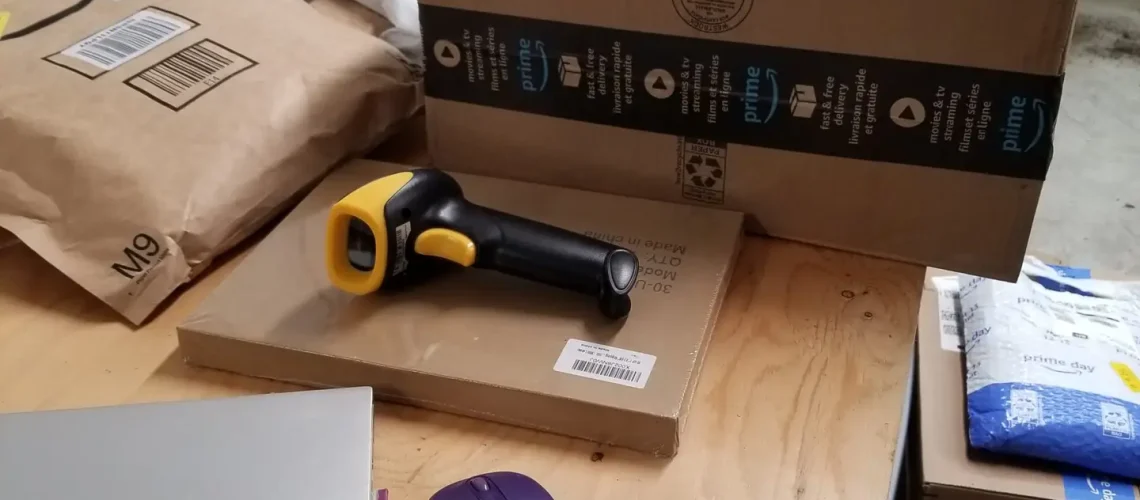
For many Amazon sellers, slow-moving products and FBA inventory overstock are not sudden problems — they accumulate quietly until storage fees, long-term penalties, or forced removals make the situation urgent.
This article focuses on practical decision-making, not theory.
The goal is simple: reduce losses and regain control of inventory, instead of reacting too late.
Why FBA Inventory Overstock Happens
Before choosing a solution, it’s important to understand why inventory gets stuck in the first place.
Common causes include:
- Demand overestimation during sourcing or replenishment
- Seasonality ending earlier than expected
- Listing suppression or compliance-related interruptions
- Increased competition driving prices down
- Advertising costs exceeding actual profit margins
- Platform or logistics policy changes affecting exposure and delivery speed
In most cases, inventory overstock is not caused by a single mistake, but by several small misjudgments compounding over time.
The Real Risk Is Not Slow Sales — It’s Delayed Decisions
Slow sales alone do not destroy profitability.
Delayed decisions do.
Every extra week inventory stays in FBA increases storage fees, limits flexibility, and reduces recovery options.
Once inventory becomes aged, restricted, or flagged, sellers are no longer making strategic choices — they are responding to forced outcomes.
At that point, the question is no longer “How do I optimize this product?”
It becomes “How do I stop the loss from getting worse?”
A Practical Framework to Decide How to Handle FBA Overstock
When inventory is not moving, sellers should make decisions based on recovery potential, not emotion.
A simple framework:
1. Can the product realistically recover sales?
If demand decline is temporary (seasonal delay, short-term suppression), limited adjustments may still work.
If demand has structurally changed, holding inventory longer only increases loss.
2. Is the product still compliant and re-sellable?
Products returned by customers or flagged by Amazon may technically remain sellable, but buyer trust and account health risks must be considered.
3. Does the product still justify storage costs?
Even “break-even” products become unprofitable once storage, handling, and opportunity cost are included.
If the answer to these questions is unclear, waiting rarely improves the outcome.
Common Ways Sellers Handle FBA Inventory Overstock
There is no universal solution. The right option depends on product type, condition, and timing.
Typical approaches include:
- Price adjustments to accelerate sell-through
- Inventory removal for off-Amazon handling
- Repackaging or relabeling where compliance allows
- Channel diversification to reduce FBA dependency
- Controlled liquidation to recover part of the capital
- Strategic disposal when recovery cost exceeds value
The key is choosing the option early enough to preserve flexibility.
Overstock Is a Management Issue, Not a Failure
Every experienced Amazon seller encounters inventory overstock at some point.
The difference between loss and recovery is not product quality — it is decision timing.
Inventory that is actively managed can often be redirected, recovered, or contained.
Inventory that is ignored becomes expensive very quickly.
Slow sales are manageable.
Delayed decisions are not.
Further Reading
For sellers who decide to remove inventory from FBA, what happens after removal often has a bigger impact on cost control than the removal itself.
Understanding how off-Amazon handling, inspection, and repackaging work can help sellers avoid unnecessary write-offs and regain control over slow-moving inventory.
f you’ve decided that removing inventory from FBA is the right move, the next challenge is knowing what to do after the stock leaves Amazon. In the next article, we walk through how sellers handle inspection, sorting, relabeling, and recovery after FBA removal — without rushing into unnecessary losses.
Need professional relabeling for your YYZ1/YYZ4 removals? Contact us for a quote